Somerset, NJ, Nissan Parts Distribution Center Employees File Petition for Vote to Kick Out UAW Union
UAW union officials imposed forced-dues contracts on Nissan employees
If punishing employees in Right to Work states isn’t enough to please the union bosses, then the NLRB continues to try. Their latest giveaway is an effort to impose “quickie elections” — a blatant effort to ensure that workers do not get both sides of the unionization issue.
The Washington Examiner’s Philip Klein looks at the latest union bailout:
With union membership precipitously declining (it was less than 7 percent in the private sector last year), big labor has been desperate to expand its ranks by any means necessary.
As Peter Schaumber, former NLRB chairman, warned last week, “Imagine a political election in which only one party were given the opportunity to tell voters its side of the story, and could set an election date only days away, all without prior notice to the other side.”
In other words, unions can spend all the time they want collecting signatures and making their case to workers, but then surprise an employer by calling an election at any time.
The board stopped short of granting a firm five to 10 day deadline that unions were hoping for, but the AP notes that:
The board’s lone Republican, Brian Hayes, issued a vigorous dissent, saying the proposal would result in the type of “quickie elections” union leaders have long sought. Hayes claimed elections could be held in as little as 10 to 21 days from the filing of a petition, giving employers less of a chance to make their case.
“Make no mistake, the principal purpose for this radical manipulation of our election process is to minimize or, rather, to effectively eviscerate an employer’s legitimate opportunity to express its views about collective bargaining,” Hayes wrote.
UAW union officials imposed forced-dues contracts on Nissan employees
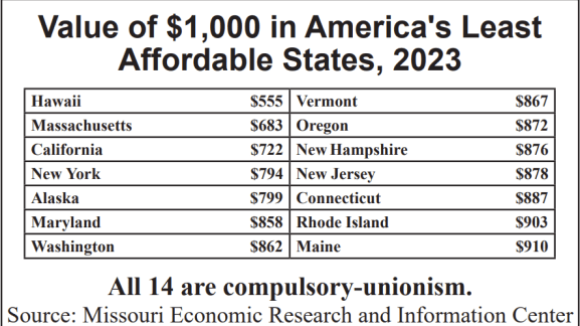
On average, forced-unionism states are 23.2% more expensive to live in than Right to Work states. And decades of academic research show that compulsory unionism actually fosters a higher cost of living.
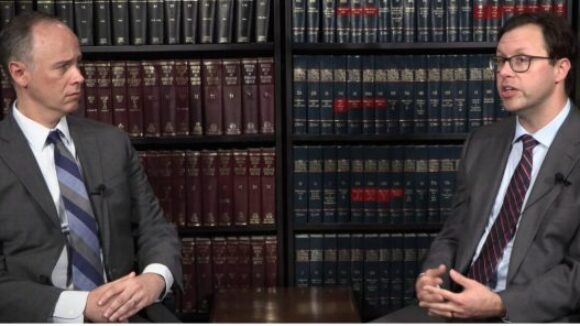
A new federal lawsuit from a National Right to Work Foundation-backed Starbucks employee, currently pending at the D.C. District Court, could upend the federal agency and result in a ruling that the current Labor Board’s structure violates the Constitution.