Union Special Privileges vs. Affordability
In addition to helping make the necessities and amenities of life more affordable, Right to Work laws help keep individual and family aggregate state-local tax burdens from spiraling out of control.
Kimberly Strassel on Virginia Democrat Creigh Deeds stalking horse candidacy to repeal Virginia’s Right to Work law:
And don’t forget Big Labor, which worries that a prominent Democratic defeat might slow its political momentum in Washington. Labor has also been itching to make purple Virginia a proving ground for ambitions like rolling back right-to-work laws. The unions need Mr. Deeds to win.
These big forces are pouring everything into a Deeds victory. Presidential and DNC fund raising helped the relatively unknown Democrat raise $3.5 million the last quarter alone, a bigger haul than any gubernatorial candidate in state history. Unions, including biggies like the SEIU, chipped in nearly a quarter.
Mr. Deeds needs that money, yet the penalty has been guilt by association. His opponent, Republican and former state Attorney General Robert F. McDonnell, made a big bet early on that the very Virginia voters who last year helped Mr. Obama win the state today have grave doubts about his agenda, and are wary of making the same mistake. Mr. Deeds has played right into his hands.
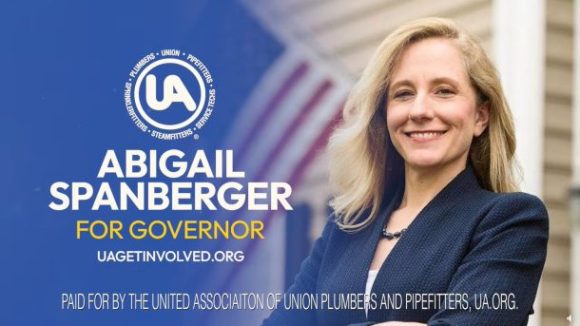
In addition to helping make the necessities and amenities of life more affordable, Right to Work laws help keep individual and family aggregate state-local tax burdens from spiraling out of control.
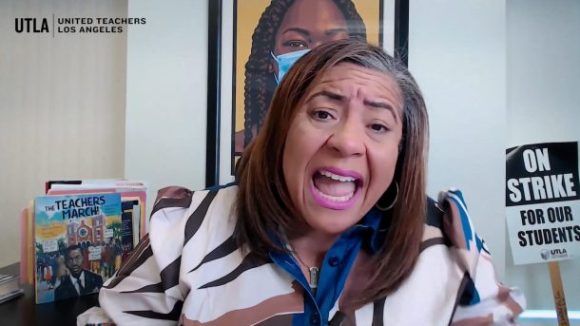
In the wake of Big Labor’s capture of the governorship and tightening of its grip over the Virginia General Assembly in last fall’s elections, union strategists are eager for passage of a law mandating union monopoly bargaining over the compensation and work rules of state and local civil servants.
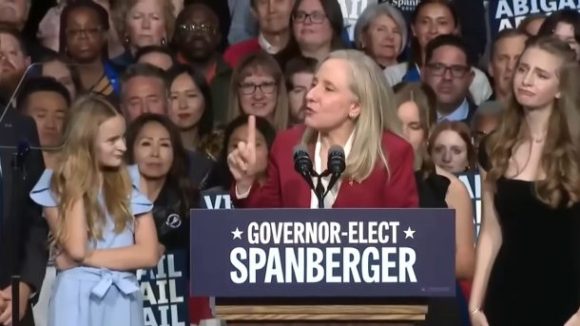
"[Spanberger] voted twice for the so-called ‘PRO Act,’ which would have destroyed the Virginia and every other state Right to Work law, and cosponsored it one last time before stepping down to run for governor."