Union Special Privileges vs. Affordability
In addition to helping make the necessities and amenities of life more affordable, Right to Work laws help keep individual and family aggregate state-local tax burdens from spiraling out of control.
Sen. Mark Warner’s (D-VA) response to constituents opposed to the Card Check Forced Unionism Bill is a letter saying that the bill “should be debated and vote[d] upon by the Senate.” Of course, that means that Warner will support efforts by the union bosses to move the legislation to the floor, and that is tantamount to a vote in favor of the bill.
Virginia has a long history of support for Right to Work, yet Warner is admitting he will vote to gut these critical worker protections. The so-called “moderate, pro-business” Senator is really nothing more than a lackey for Big Labor’s forced unionism.
In addition to helping make the necessities and amenities of life more affordable, Right to Work laws help keep individual and family aggregate state-local tax burdens from spiraling out of control.

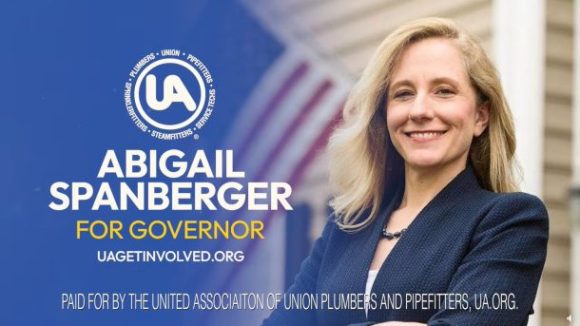
In the wake of Big Labor’s capture of the governorship and tightening of its grip over the Virginia General Assembly in last fall’s elections, union strategists are eager for passage of a law mandating union monopoly bargaining over the compensation and work rules of state and local civil servants.
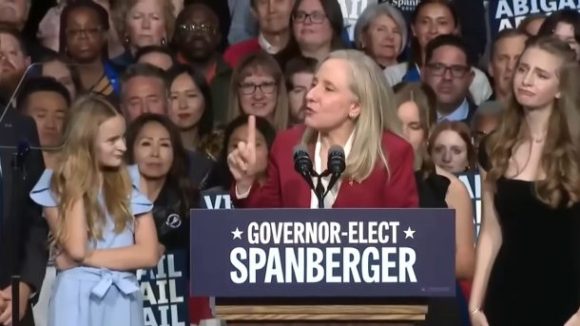
"[Spanberger] voted twice for the so-called ‘PRO Act,’ which would have destroyed the Virginia and every other state Right to Work law, and cosponsored it one last time before stepping down to run for governor."