Union-Only Port Terminal Suspends Operations
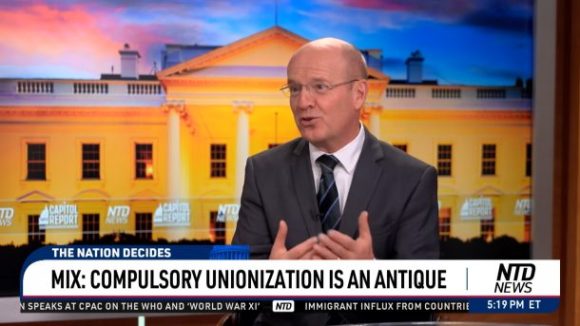
Committee President Mark Mix: “If I were a Leatherman dockworker, I certainly wouldn’t count on Longshore Union bosses to show any flexibility” to get the terminal reopened and “save my job.”
Fairfax County workers are seeking help from the National Labor Relations Board (NLRB) in order to remove union bosses. But despite efforts, they are being blocked by the “contract bar”.
Here’s a snippet from an article posted by Tyler Arnold from The Center Square:
“The ‘contract bar’ lets unpopular union bosses impose their so-called representation over a workplace that wants them gone,” Semmens said. “In states without Right to Work laws, this means that even when a majority of workers oppose the union, union bosses can use the ‘contract bar’ to force those workers to pay up or be fired.”
“The National Labor Relations Act unambiguously gives employees the right to vote out unions that are opposed by the majority, and the ‘contract bar’ serves no purpose other than to insulate self-interested union bosses from the will of the workers they claim to represent,” Semmens said. “Add to that the fact that the only restriction mentioned in the federal labor statute’s text is a one-year bar after a union is voted in by secret-ballot, and it’s apparent that the Board’s invention of a three-year ‘contract bar’ is an especially egregious violation of workers’ rights.”
Tyler Arnold, from The Center Square
If you have questions about whether union officials are violating your rights, contact the Foundation for free help.
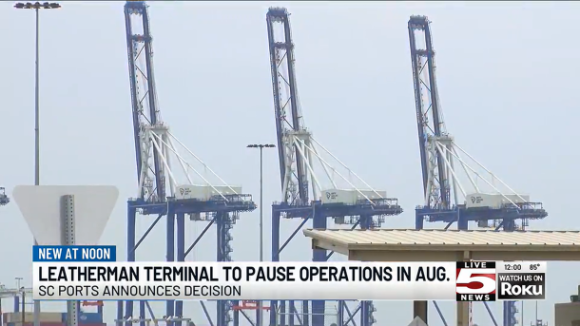
Committee President Mark Mix: “If I were a Leatherman dockworker, I certainly wouldn’t count on Longshore Union bosses to show any flexibility” to get the terminal reopened and “save my job.”
In many cases, employees who are denied the opportunity to vote out a union as a consequence of the Biden green light for Big Labor blocking charges never got a chance to vote on whether or not they wanted to have a union in the first place.
"Vullo makes it clear that using the threat of federal prosecution to force any employer to put employees’ Right to Work on the bargaining table violates the First Amendment.”