Union Special Privileges vs. Affordability
In addition to helping make the necessities and amenities of life more affordable, Right to Work laws help keep individual and family aggregate state-local tax burdens from spiraling out of control.
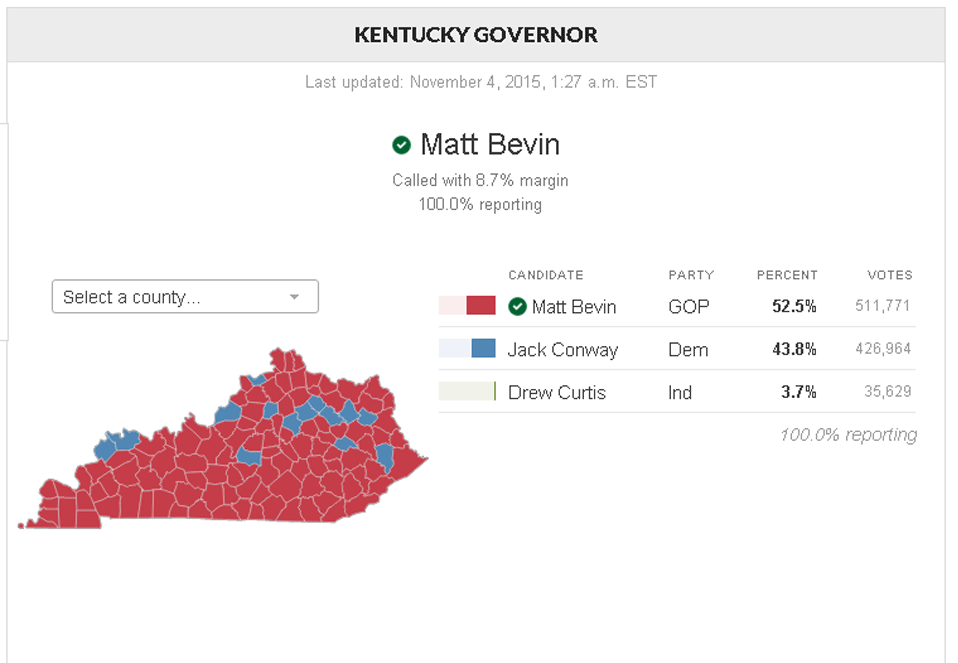 With Right to Work supporter, now Governor-elect Matt Bevin’s substantial victory, Kentucky is perched to become the 26th Right to Work state.
Kentuckians have sent a message: End Forced Unionism.
From the Lexington-Herald Leader:
Republican Matt Bevin, who trailed in every public poll since winning the Republican primary in May by 83 votes, shocked Democrat Jack Conway on Tuesday to become the next governor of Kentucky.
Bevin was able to defy pundits, political insiders and polling — including one released by his own campaign in October that showed him losing — and emerge a winner Tuesday night.
In the end, it wasn’t even close. Bevin won 107 of the state’s 120 counties on his way to a nine-point victory.
Politically, this state is red. Not purple, not pink, not reddish, but red. Really red.
It would be an understatement to call Tuesday a good night for Republicans — it might well have been the end of the Democratic Party in a state where it dominated for so long.
This was a massacre from top to bottom, with Alison Lundergan Grimes and Andy Beshear the only people left standing with Ds behind their names.
In what looked like a close race — the Bluegrass Poll wasn’t the only one to get the winner wrong — Republicans blew the doors off Democrats. For the second time in a year, it appears that every undecided voter in the state broke hard to the right.
In addition to helping make the necessities and amenities of life more affordable, Right to Work laws help keep individual and family aggregate state-local tax burdens from spiraling out of control.
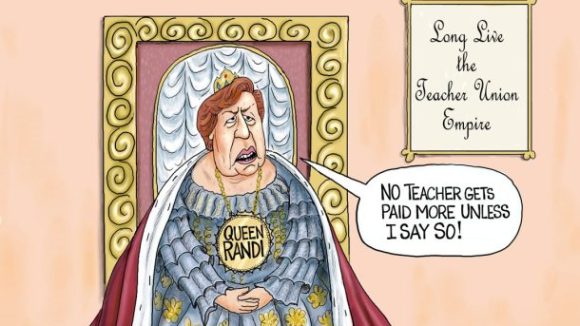
In response to a staffing crisis, the elected Lee County School Board (LCSB) approved an incentive plan to attract and retain teachers for high-need schools and hard-to-fill subject areas.
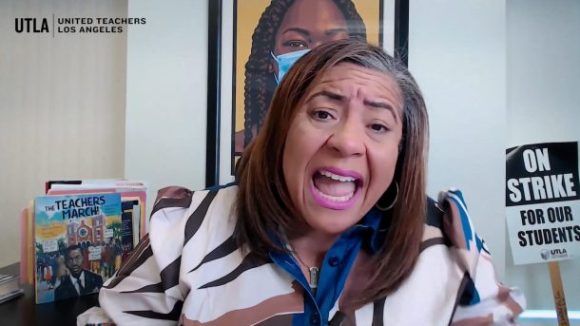
In the wake of Big Labor’s capture of the governorship and tightening of its grip over the Virginia General Assembly in last fall’s elections, union strategists are eager for passage of a law mandating union monopoly bargaining over the compensation and work rules of state and local civil servants.