Radical Teacher Unions Get Even More Radical
Incoming NEA President Princess Moss: Teachers Must Be Full-Time Political Activists
What does the West Virginia Right to Work Bill (S.B. 1) do?
It eliminates the power of labor union bosses to force employees to pay dues or lose their jobs. Below is the text and here is a link to the full Right to Work Senate Bill on the West Virginia legislative website.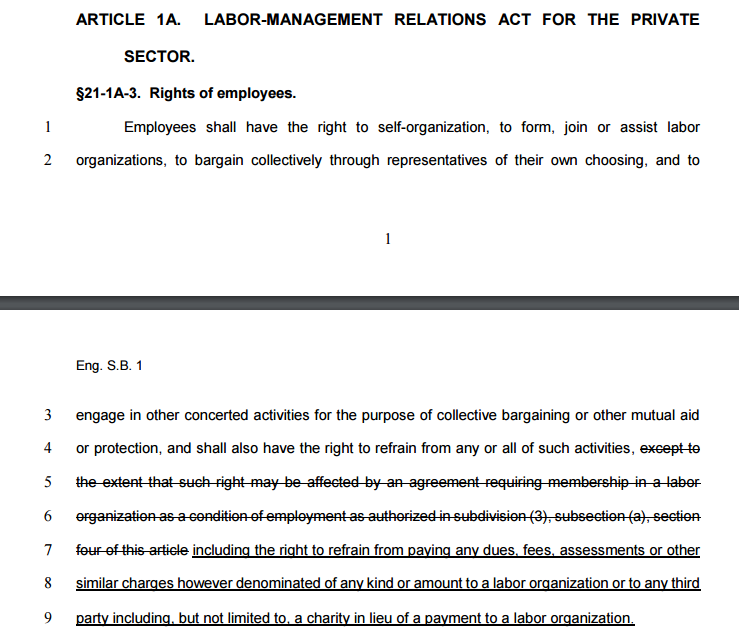
West Virginia Right to Work S.B. 1 eliminates the current exception to Employee Rights that currently prohibits the right of employees to refrain from union fees.
ARTICLE 1A. LABOR-MANAGEMENT RELATIONS ACT FOR THE PRIVATE SECTOR.
§21-1 A-3. Rights of employees.
Employees shall have the right to self-organization, to form, join or assist labor organizations, to bargain collectively through representatives of their own choosing, and to engage in other concerted activities for the purpose of collective bargaining or other mutual aid or protection, and shall also have the right to refrain from any or all of such activities, except to the extent that such right may be affected by an agreement requiring membership in a labor organization as a condition of employment as authorized in subdivision (3), subsection (a), section four of this article including the right to refrain from paying any dues, fees, assessments or other similar charges however denominated of any kind or amount to a labor organization or to any third party including, but not limited to, a charity in lieu of a payment to a labor organization.
(strikethrough text is text being removed from law) and (underlined text is the S.B. 1 added text)
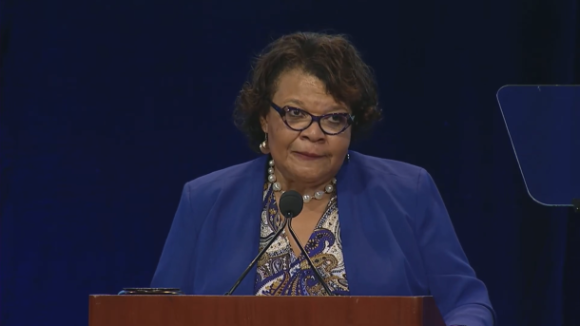
Incoming NEA President Princess Moss: Teachers Must Be Full-Time Political Activists
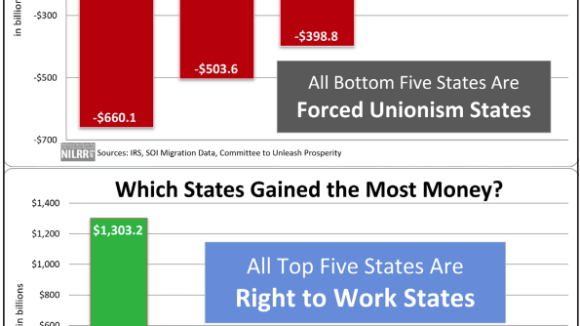
... States that continuously lacked Right to Work protections for employees from 2012-23 lost a net total of $2.05 trillion in cumulative AGI solely as a consequence of domestic out-migration of taxpayers during that 11-year period.
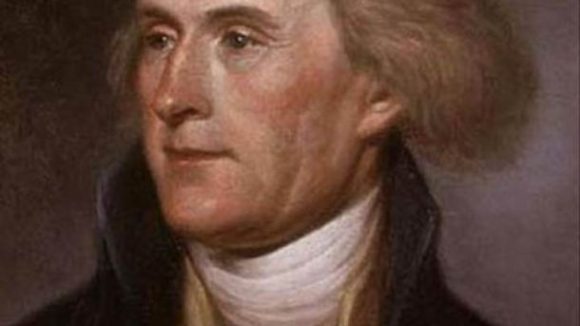
Men [...] like Thomas Jefferson, John Adams, and Benjamin Franklin were united in their strong support for the right of the individual to live free from unwarranted government coercion.