Union-Only Port Terminal Suspends Operations
Committee President Mark Mix: “If I were a Leatherman dockworker, I certainly wouldn’t count on Longshore Union bosses to show any flexibility” to get the terminal reopened and “save my job.”
From Reason:
When Governor Scott Walker took office in 2011, the state faced a projected $3.2 billion deficit. The approach Walker took to close the budget gap included reducing state spending on public employees. To do so required government workers to contribute more toward their own health care and retirement benefits. However, this also effectively served as a pay cut for many public employees.
The Reason-Rupe poll asked Wisconsinites how the state should raise funds to pay government employee retirement benefits if the state did not have enough money to fund these benefits.

72 percent oppose “increasing sales, income, or property taxes” to help fund government worker retirement benefits, 25 percent favor.
75 percent oppose “cutting spending on government programs, such as education and health care” to help fund public employee retirement benefits, 23 percent favor.
49 percent oppose and 46 percent favor “reducing public employee benefits.”
However, 74 percent favor “requiring public employees to contribute more toward their own pensions and health care,” and 24 percent oppose.
The poll followed by asking “if the state and local government had to reduce spending, which of the following areas would you reduce spending on first?” The plurality of Wisconsinites (38 percent) chose reducing spending on “pensions and benefits for public employees” followed by “prisons and courts” (29 percent).
These results suggest that when tough trade-offs have to be made to fund public employee retirement benefits, the public favors requiring public employees to contribute more over raising taxes, or cutting spending on education and health care.
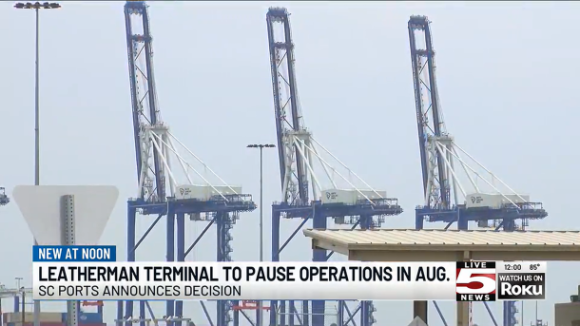
Committee President Mark Mix: “If I were a Leatherman dockworker, I certainly wouldn’t count on Longshore Union bosses to show any flexibility” to get the terminal reopened and “save my job.”
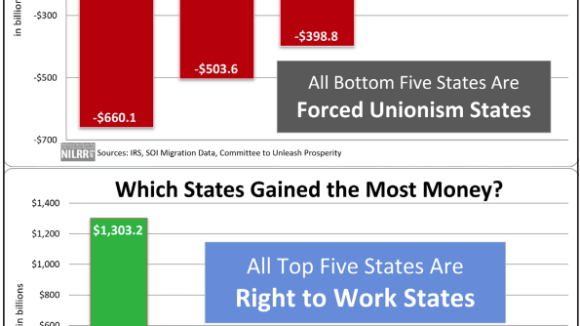
... States that continuously lacked Right to Work protections for employees from 2012-23 lost a net total of $2.05 trillion in cumulative AGI solely as a consequence of domestic out-migration of taxpayers during that 11-year period.
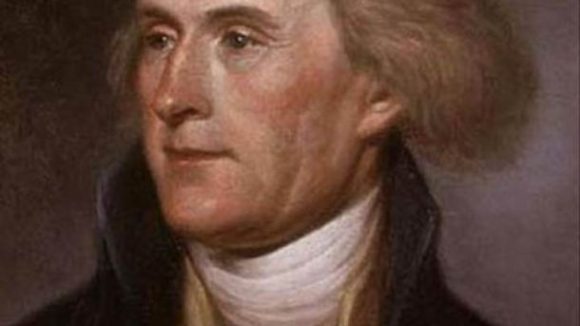
Men [...] like Thomas Jefferson, John Adams, and Benjamin Franklin were united in their strong support for the right of the individual to live free from unwarranted government coercion.