Union Bosses Going All Out to Capture Congress
During the months leading up to Election Day 2026, Big Labor bosses’ focus on politics has never been more explicit.
On January 4, 2012, union-label President Barack Obama installed three new members on the five-member National Labor Relations Board (NLRB) through “recess appointments,” despite the fact that the U.S. Senate was manifestly not in recess. Top union bosses had urged Mr. Obama to make this move in order to get around the provision in the U.S. Constitution normally requiring the President to “appoint officers of the United States” only “by and with the advice and consent of the Senate.” Big Labor preferred Mr. Obama to act unilaterally because it would be far easier for him to pack the NLRB with radical forced-unionism advocates this way.
The National Right to Work Committee immediately charged that the President’s phony “recess” appointments violated the Constitution. A few months later, a National Right to Work Legal Defense Foundation made the case the appointments were unconstitutional before a panel of federal judges. And today, a different federal appeals court panel unanimously echoed the points Right to Work officers and attorneys had previously made. USA Today reporter David Jackson has additional details:
[T]he decision invalidates hundreds of decisions made over the past year by the National Labor Relations Board.
Mark Mix, president of the National Right to Work Foundation, released a statement calling the court’s decision “a victory for independent-minded workers.”
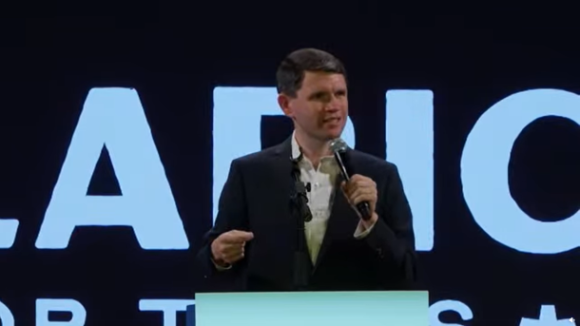
During the months leading up to Election Day 2026, Big Labor bosses’ focus on politics has never been more explicit.
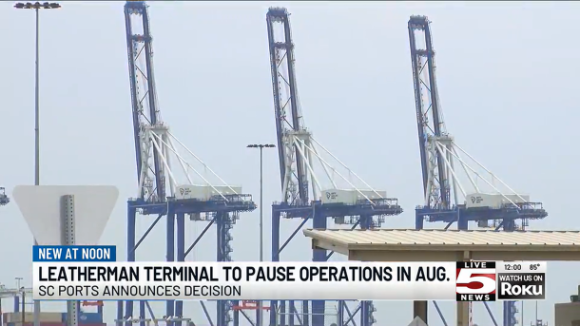
Committee President Mark Mix: “If I were a Leatherman dockworker, I certainly wouldn’t count on Longshore Union bosses to show any flexibility” to get the terminal reopened and “save my job.”
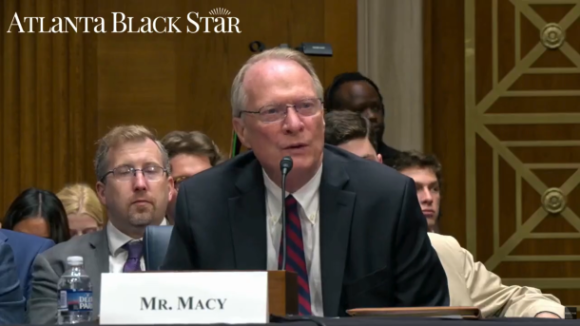
In many cases, employees who are denied the opportunity to vote out a union as a consequence of the Biden green light for Big Labor blocking charges never got a chance to vote on whether or not they wanted to have a union in the first place.