A Green Light For Union-Free Job Training?
One of the key goals of the U.S. Department of Labor since President Donald Trump’s second term commenced in January 2025 has been to expand the number of apprenticeships in America to “at least a million.”
According to the Detroit News, union bosses in Michigan are seeking the right to request an automatic payroll contribution from state employees — contributions that would pad the coffers of union political action committees (PACs). The proposal comes from M. Scott Bowen, the director of the Office of State Employer.
Michigan’s Chamber of Commerce general counsel Robert LaBrant is fighting the effort citing:
. . . a 2006 opinion from Attorney General Mike Cox that it’s a violation of the campaign finance act to use government resources to collect and distribute political deductions — even if the unions reimburse the state.
“Amazingly, the staff of the Civil Service Commission are complying with this unlawful request,” LaBrant said in his letter.
“The purpose of the Civil Service Commission was to keep partisan politics out of state classified employment. (Approving the proposal) would re-insert partisan politics into the on-duty operations of state government employment.”
Not surprisingly, Gov. Granholm is siding with the union bosses.
Michigan’s economy remains under the stranglehold of Big Labor. Giving them more power, through payroll deduction, will only stifle much needed reforms to get the economy back on track.

One of the key goals of the U.S. Department of Labor since President Donald Trump’s second term commenced in January 2025 has been to expand the number of apprenticeships in America to “at least a million.”
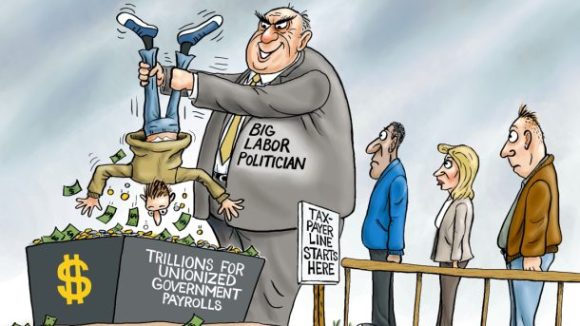
From 2015 to 2025, state and local governments’ collective spending soared by 62% (26 percentage points above the CPI), reaching nearly $4.4 trillion a year. Yet Big Labor propagandists insist government is being “starved”!
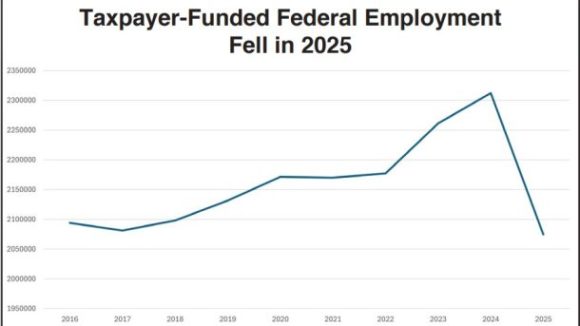
With President Trump’s sharp rollback of union monopoly bargaining in federal workplaces in effect, federal taxpayers have reportedly been getting better services while saving tens of billions of dollars in payroll costs.