Union-Only Port Terminal Suspends Operations
Committee President Mark Mix: “If I were a Leatherman dockworker, I certainly wouldn’t count on Longshore Union bosses to show any flexibility” to get the terminal reopened and “save my job.”
Release of new economic data from the Bureau of Economic Analysis has provided an opportunity to confirm that Right to Work states perform better that forced-unionism states, and a blog called Willisms has done just that.
After crunching numbers to see what impact labor laws have on economic growth, Willisms discovered that:
[F]rom 2004-2007, no Right to Work state grew less than 5.1%, while fifteen Forced Unionization state[s] grew below that level.
Meanwhile, while America’s GDP growth 2004-2007 . . . [was] 8.4%, Right to Work states grew by 10% on average, while Forced Unionization states grew by only 6.2% on average. The median Right to Work growth rate was 9.2%, compared to the median Forced Unionization rate of 4.9% (the national median for all states was 7.3%).”
Study after study confirms that not only is Right to Work the right moral policy it is a correct economic policy for the American people.
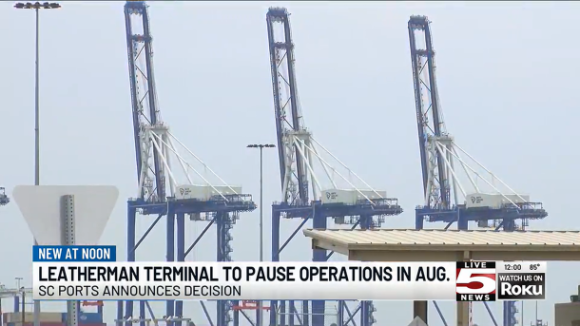
Committee President Mark Mix: “If I were a Leatherman dockworker, I certainly wouldn’t count on Longshore Union bosses to show any flexibility” to get the terminal reopened and “save my job.”
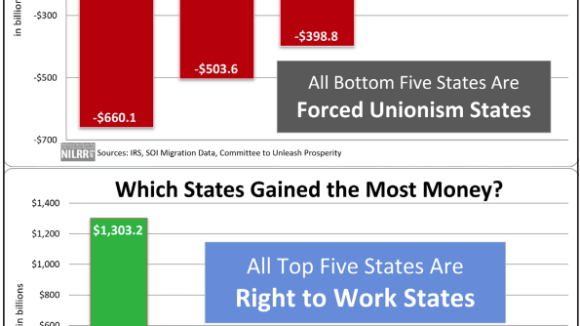
... States that continuously lacked Right to Work protections for employees from 2012-23 lost a net total of $2.05 trillion in cumulative AGI solely as a consequence of domestic out-migration of taxpayers during that 11-year period.
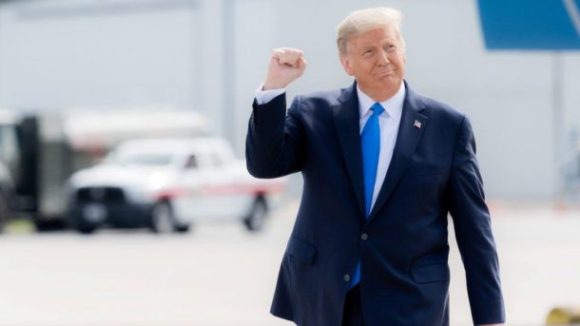
One of the key goals of the U.S. Department of Labor since President Donald Trump’s second term commenced in January 2025 has been to expand the number of apprenticeships in America to “at least a million.”