Union Special Privileges vs. Affordability
In addition to helping make the necessities and amenities of life more affordable, Right to Work laws help keep individual and family aggregate state-local tax burdens from spiraling out of control.

Two companies are coming to Michigan soon, and they are Perrigo and Lordstown Motors Corp. Perrigo will set up a new location in Grand Rapids, Michigan, while Lordstown is choosing Farmington Hills. Between the two companies, they will invest a total of $47.3 million and also create 311 new jobs for the state. So this will help fuel economic growth.
Read on to see what others are saying about what these businesses will do for Michigan!
“Perrigo’s continued investment in Michigan and its workforce is a clear example of our efforts to support projects that enable long-term prosperity for Michiganders and create economic resiliency in the state. […] This new headquarters facility means excellent jobs for our residents[. It also] highlights our advantages as a growing location for major headquarters. We’re pleased to work with our local partners and support this investment as we work toward continued economic recovery.”
AREA DEVELOPMENT MAGAZINE
“Lordstown Motors’ decision to expand into Michigan for R&D speaks to the type of investments and job creation our state is seeing right now. Michigan presents powerful competitive advantages because of how robust our mobility ecosystem continues to be.”
AREA DEVELOPMENT MAGAZINE
To read more updates on Right to Work states, go here
To support our cause, go here to donate.

In addition to helping make the necessities and amenities of life more affordable, Right to Work laws help keep individual and family aggregate state-local tax burdens from spiraling out of control.
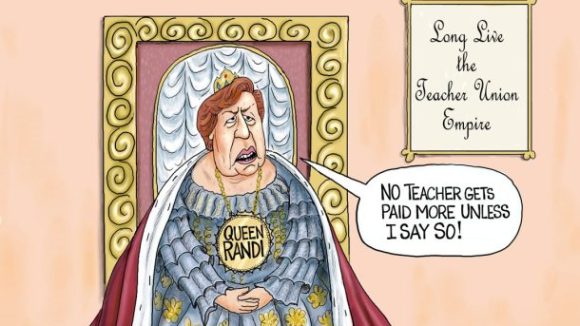
In response to a staffing crisis, the elected Lee County School Board (LCSB) approved an incentive plan to attract and retain teachers for high-need schools and hard-to-fill subject areas.

In the wake of Big Labor’s capture of the governorship and tightening of its grip over the Virginia General Assembly in last fall’s elections, union strategists are eager for passage of a law mandating union monopoly bargaining over the compensation and work rules of state and local civil servants.