Union-Only Port Terminal Suspends Operations
Committee President Mark Mix: “If I were a Leatherman dockworker, I certainly wouldn’t count on Longshore Union bosses to show any flexibility” to get the terminal reopened and “save my job.”
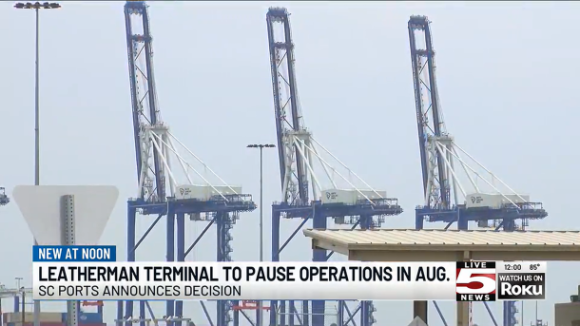
Committee President Mark Mix: “If I were a Leatherman dockworker, I certainly wouldn’t count on Longshore Union bosses to show any flexibility” to get the terminal reopened and “save my job.”
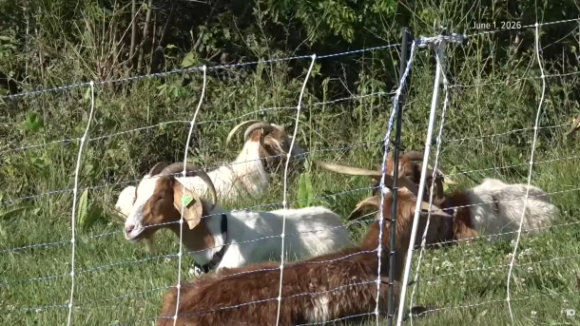
According to AFSCME Local 1632 President Will Harmon, Columbus Water & Power committed a grievous offense by subcontracting out the job of clearing away invasive weeds and brush spread out across two acres of its property to a tribe of roughly 40 goats without first “negotiating” with Big Labor.
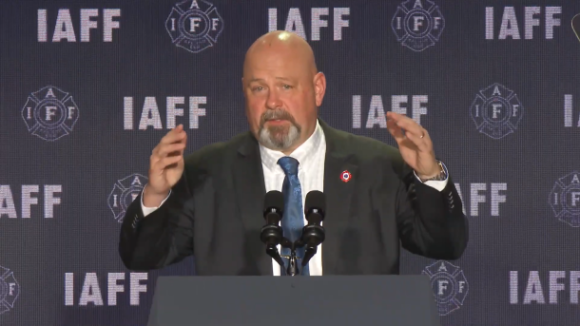
One longtime IAFF official who is now in the spotlight for his crass denigration of “two-hatters” -- that is, professional firefighters who also serve as volunteers -- is Pennsylvania Democrat politician Bob Brooks.
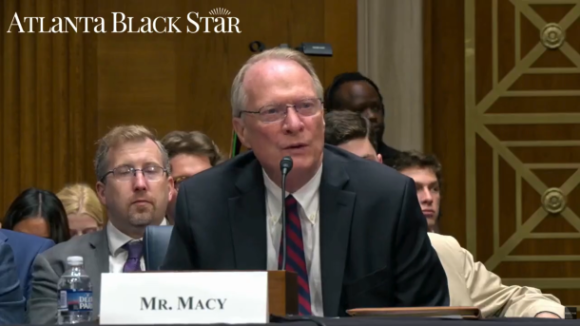
In many cases, employees who are denied the opportunity to vote out a union as a consequence of the Biden green light for Big Labor blocking charges never got a chance to vote on whether or not they wanted to have a union in the first place.
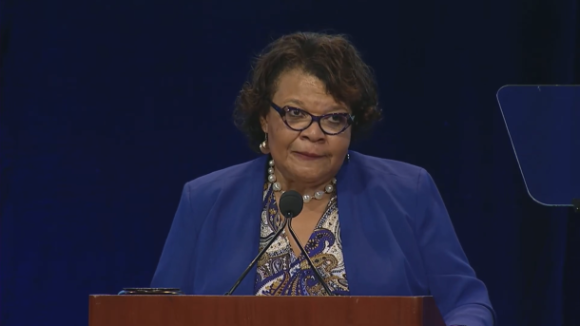
Incoming NEA President Princess Moss: Teachers Must Be Full-Time Political Activists
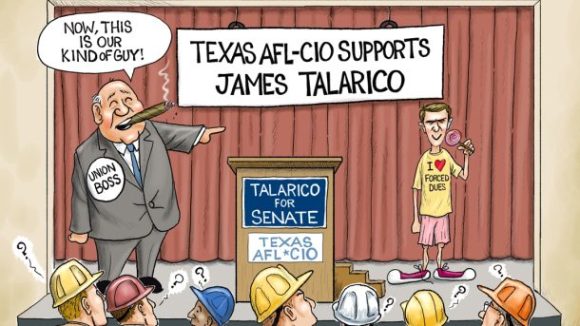
Union bosses are rallying behind Democrat Texas U.S. Senate candidate James Talarico because he opposes Right to Work protections for employees.

On June 5, a federal jury in Kansas convicted former Boilermakers President Newton Jones, who had headed the union from 2003 until 2023, his wife, Kateryna, and two other IBB bosses of embezzling millions of dollars in union dues extracted from workers as a condition of employment.
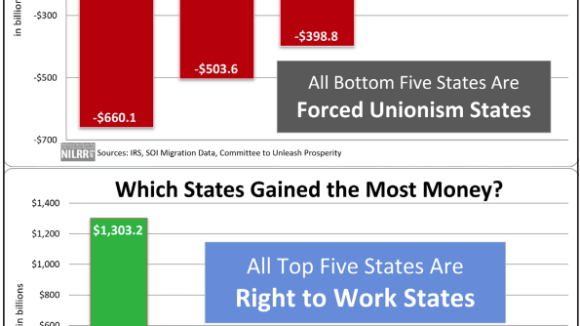
... States that continuously lacked Right to Work protections for employees from 2012-23 lost a net total of $2.05 trillion in cumulative AGI solely as a consequence of domestic out-migration of taxpayers during that 11-year period.
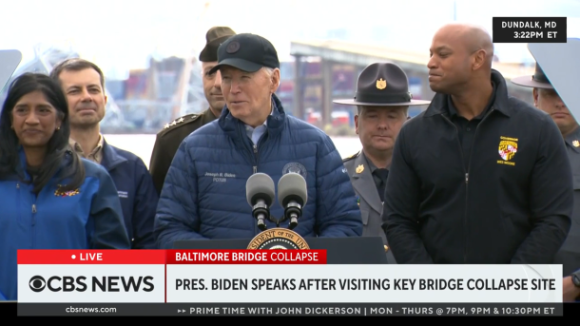
“If Donald Trump had repealed Joe Biden’s folly early last year, as the Committee recommended, then the original bids for the Key Bridge project could have gone out without a union-only PLA, and the work could be well underway by now."