Union Special Privileges vs. Affordability
In addition to helping make the necessities and amenities of life more affordable, Right to Work laws help keep individual and family aggregate state-local tax burdens from spiraling out of control.
Mark Perry looks at the economic performance of Right to Work states in comparison to forced unionism states and provides further evidence that Right to Work states foster prosperity. In the economic downturn year of 2009, forced unionism states economic growth fell by 2.42% but in Right to Work states, it only decreased 1.66%.
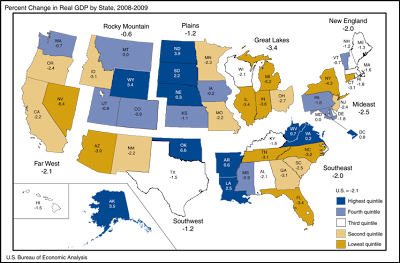 As Perry states, “In other words, the decline in economic growth growth in forced unionism states (-2.42%) was 0.76% worse in 2009 than the decline in right-to-work states (-1.66%). Further, of the ten states that experienced positive growth in 2009, only two were forced unionism states (Alaska and W. Virginia) and eight were right-to-work states (Nebraska, N. Dakota, S. Dakota, Arkansas, Louisiana, Virginia, Oklahoma and Wyoming). The three top states with the highest growth in 2009 were all right-to-work states: Oklahoma (6.6%), Wyoming (5.4%) and North Dakota (3.9%). “

In addition to helping make the necessities and amenities of life more affordable, Right to Work laws help keep individual and family aggregate state-local tax burdens from spiraling out of control.

In the wake of Big Labor’s capture of the governorship and tightening of its grip over the Virginia General Assembly in last fall’s elections, union strategists are eager for passage of a law mandating union monopoly bargaining over the compensation and work rules of state and local civil servants.
Recently updated federal data on the American workforce and employment show that employer demand for college-educated employees rose at a surprisingly rapid clip from 2014 to 2024.