Union Special Privileges vs. Affordability
In addition to helping make the necessities and amenities of life more affordable, Right to Work laws help keep individual and family aggregate state-local tax burdens from spiraling out of control.
A worker’s constitutional rights seem to take a back seat to the political privileges of the union.
Earlier this year, UAW local 898 officials displayed their political views for everyone who drove by the union hall. “Recall Gov. Snyder, sign up here!” was the message glaring from the parking lot sign for all passers-by to see.
A recent Harris poll shows that 60 percent of union households say that unions are too involved in politics, and we know that 40 percent or more of union households vote Republican. Unfortunately, union members who disagree with these partisan political attacks are forced, as a condition of employment, to financially support this message.
Federal laws are supposed to restrict union officials from using regular dues for political purposes. Regrettably, it still happens all the time.
In a 1988 Supreme Court decision called Communication Workers of America vs. Beck, unions were forbidden to collect full union dues from non-members; only those dues that are supposed to reflect the true cost to the union as a collective bargaining agent. In other words, members could choose to resign their union membership and then only pay what is called the “agency fee” to keep their job.
Obviously, there are problems with this ruling. Workers who wish to exercise these rights have to jump through hoops, and they are then persecuted and ridiculed on the job for doing so. The agency fee also includes all the educational and subjective political activities that unions engage in.
Union newsletters and magazines are full of political propaganda, and union officials travel the country spewing hateful venom and a destructive worldview, yet their salaries are paid for with regular union dues. And there is so much more.
Unions financially support “voter education centers”; they rally together and protest against responsible government actions; they own and operate retreats where members are fed political propaganda; they give financial aid and comfort to the radical and sometimes violent occupy protesters; and they broadcast political rhetoric from parking lot signs — all paid for out of regular union coffers.
Perhaps the best and easiest solution is to pass a right-to-work law. This would ensure that worker’s rights are not violated because they would have the right to choose whether or not to join or financially support a union. They would finally be able to exercise their 1st Amendment right of freedom of association — or conversely — the freedom to not associate.
Right to work would end the discrimination levied against workers who disagree with the radical political agenda of their union officials and ensure political equality for all workers, union and non-union alike.
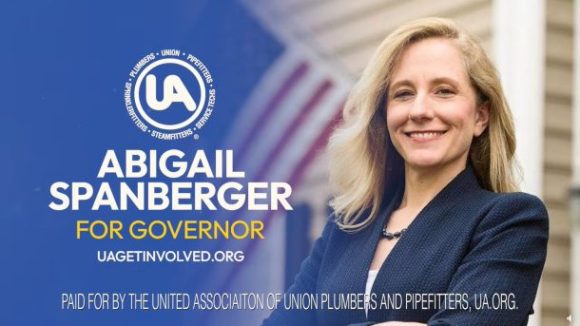
In addition to helping make the necessities and amenities of life more affordable, Right to Work laws help keep individual and family aggregate state-local tax burdens from spiraling out of control.
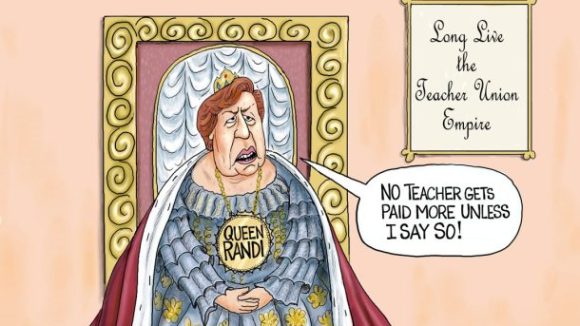
In response to a staffing crisis, the elected Lee County School Board (LCSB) approved an incentive plan to attract and retain teachers for high-need schools and hard-to-fill subject areas.
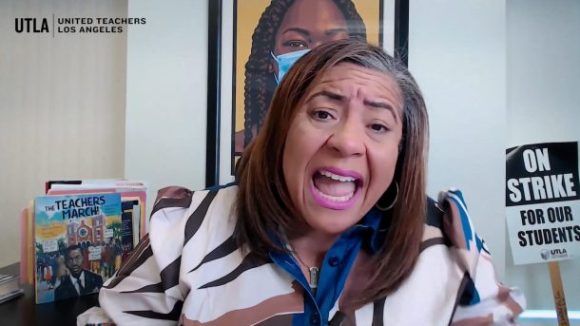
In the wake of Big Labor’s capture of the governorship and tightening of its grip over the Virginia General Assembly in last fall’s elections, union strategists are eager for passage of a law mandating union monopoly bargaining over the compensation and work rules of state and local civil servants.