Senate Confirms Trump Labor Board Nominees
The rabidly pro-union boss Biden era at the National Labor Relations Board (NLRB) came to a screeching halt on December 18.
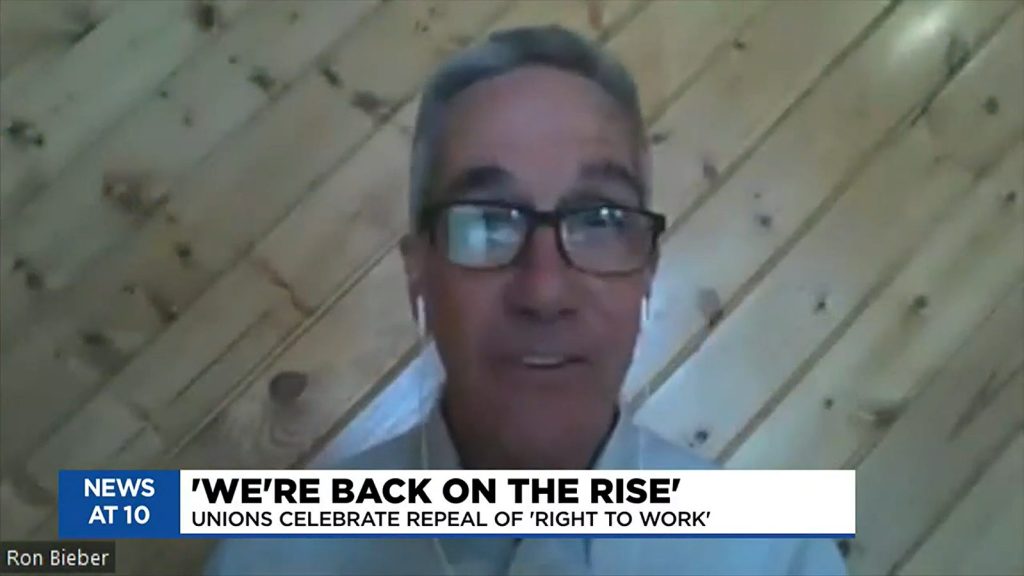
Michigan has seen better days.
Since Big Labor-backed legislation repealing Right to Work protections for employees went into effect in early 2024, the state has gone from adding jobs to losing them.
The state unemployment rate has climbed substantially, and as of August it was the third-highest in the country.
Even rabidly pro-forced unionism Democrat Gov. Gretchen Whitmer, who signed Right to Work destruction into law in February 2023, can no longer ignore economic reality.
After months of claiming all was well, in September she finally admitted: “Companies are cutting, not creating jobs in Michigan.” That’s an understatement.
From 2009 to 2019, the decade ending in the year Ms. Whitmer took office, Michigan gained roughly 170,000 factory jobs.
During her tenure so far, the state has lost 20,000 factory jobs.
The situation is bad enough that many have no choice but to flee Michigan in search of a better economic climate. From 2020 to 2024, the number of Michiganders aged 35-54, considered to be the peak earning years, fell by roughly 5,000.
Meanwhile, the peak-earning-year population of neighboring Indiana, where the Right to Work law adopted in 2012 remains on the books today, rose by nearly 28,000.
Even though the recent upward trajectory in Michigan’s unemployment began in early 2024, nearly a year before the end of the Biden presidency, Gov. Whitmer is now trying to pin Michigan’s current struggles on Donald Trump. The data show something very different.
Over the “Lost Decade” from 2000 to 2010, before Michigan passed Right to Work, it lost more than 800,000 jobs, with a decline of more than 400,000 in the manufacturing sector alone.
But during Michigan’s first five years as a Right to Work state, its manufacturing employment soared by 14.6%, or nearly triple the national average. Michigan became one of the strongest factory job creators in the country. After the brief, but intense, COVID recession of 2020, Michigan began adding factory jobs again.
But since Right to Work repeal was adopted and took effect, the trend suddenly reversed.
The summer after Right to Work repeal took effect last year, GM laid off 600 workers at its tech center in Warren, Mich. In November, the same facility laid off hundreds of additional workers.
This was part of a disturbing trend. From January 2024 to January 2025, unemployment rose in all of Michigan’s 83 counties, even as nationwide payroll employment rose by roughly two million.
The good news is that this disaster could be corrected just as easily as it was begun. In 2026, the Michigan Right to Work Committee will be working day and night to make sure the state’s voters understand which politicians have pledged to restore freedom and prosperity, and which are determined to continue along the state’s current self-destructive path.
Since the repeal of Michigan’s extremely popular Right to Work law, neither Gov. Whitmer nor her state Senate cohorts have had to face reelection, but their turn is coming next year.
In 2024, pro-Right to Work citizens could take out their indignation only against Big Labor House politicians.
The Michigan Committee worked hard to make sure every Right to Work supporter in the state was well aware of who had voted for forced unionism and who had defended freedom, jobs, and economic prosperity. In the end, Right to Work supporters gained four seats, turning a 56-54 Democrat majority into a 58-52 Republican majority.
If Michiganders can keep that momentum going next year, they could soon have their beloved Right to Work law back.
With the National Right to Work Committee’s financial and strategic support, Michigan Right to Work is already gearing up to begin its survey program of every candidate seeking office in the state government to help the people of Michigan hold their politicians accountable for the damage that’s been done to their economy.
If Michiganders demand their cherished Right to Work law back, and vote accordingly, there’s every reason to believe their state can return to the days of economic growth and prosperity. But if Big Labor prevails, the “Lost Decade” of 2000-10 may be a good indication of what’s in store for Michigan now.
This article was originally published in our monthly newsletter. Go here to access previous newsletter posts.
To support our cause and help end forced unionism, go here to donate.
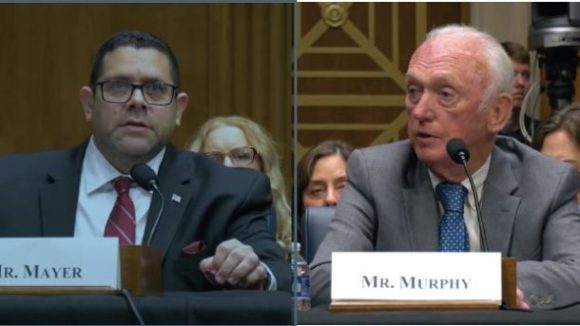
The rabidly pro-union boss Biden era at the National Labor Relations Board (NLRB) came to a screeching halt on December 18.

In addition to helping make the necessities and amenities of life more affordable, Right to Work laws help keep individual and family aggregate state-local tax burdens from spiraling out of control.

In response to a staffing crisis, the elected Lee County School Board (LCSB) approved an incentive plan to attract and retain teachers for high-need schools and hard-to-fill subject areas.