A ‘Duty to Bargain’ Over Employees’ Freedom?!
"Vullo makes it clear that using the threat of federal prosecution to force any employer to put employees’ Right to Work on the bargaining table violates the First Amendment.”
The L.A. Times finds SEIU President Andrew Stern’s presidential access unusual. Stern inside access allows him to influence federal powers to increase forced unionism:
When the president met privately with the health industry leaders that day, Stern and a second Service Employees International Union official were the only labor representatives in the room.
In a fractious labor movement fraught with rivalries and mutual suspicion, Stern’s close association with Obama has given him cachet that may prove important in the fierce competition to lure new members.
But Stern’s access to the White House has also provoked jealousies. His opponents paint him as a polarizing figure that Obama elevates at his own peril.
The Obama-Stern relationship has emerged as one of the most curious within the young administration.
Stern can boast that union officials are scattered throughout the Obama administration. White House political director Patrick Gaspard is a former executive at an SEIU local based in New York. No other union has placed anyone at such a high level in the White House.
Anna Burger, SEIU secretary-treasurer, was appointed to Obama’s economic recovery board. And union associate counsel John Sullivan was named to the six-member Federal Election Commission.
Moreover, Stern has enjoyed considerable entree to the new administration — starting on Inauguration Day, when he joined Obama and the new president’s family on the reviewing stand outside the White House to watch the inaugural parade.
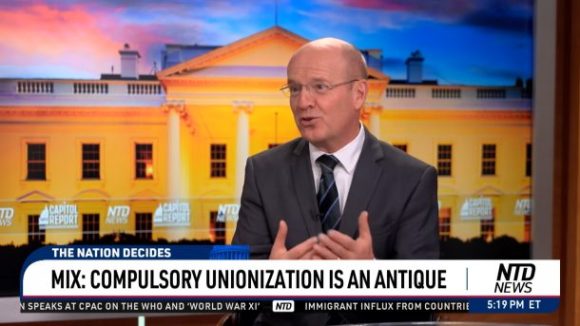
"Vullo makes it clear that using the threat of federal prosecution to force any employer to put employees’ Right to Work on the bargaining table violates the First Amendment.”
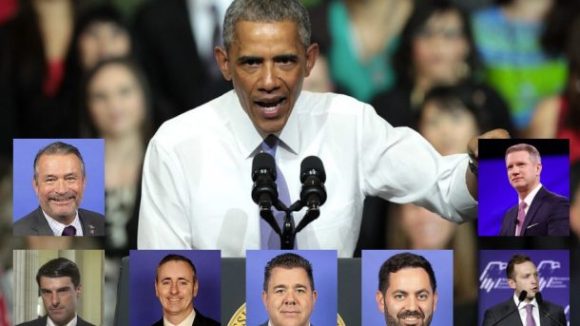
“Under the FLCA [...] monopolistic union contracts would be imposed on employees and business owners after only 120 days of negotiation."
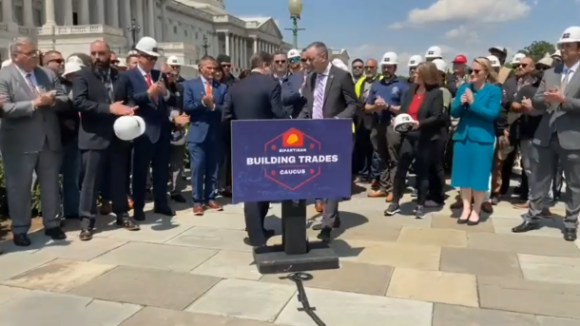
"If Big Labor succeeds in pushing the FLCA through the House, as expected, the Committee will go all out to stop it in the Senate.”