Union Special Privileges vs. Affordability
In addition to helping make the necessities and amenities of life more affordable, Right to Work laws help keep individual and family aggregate state-local tax burdens from spiraling out of control.
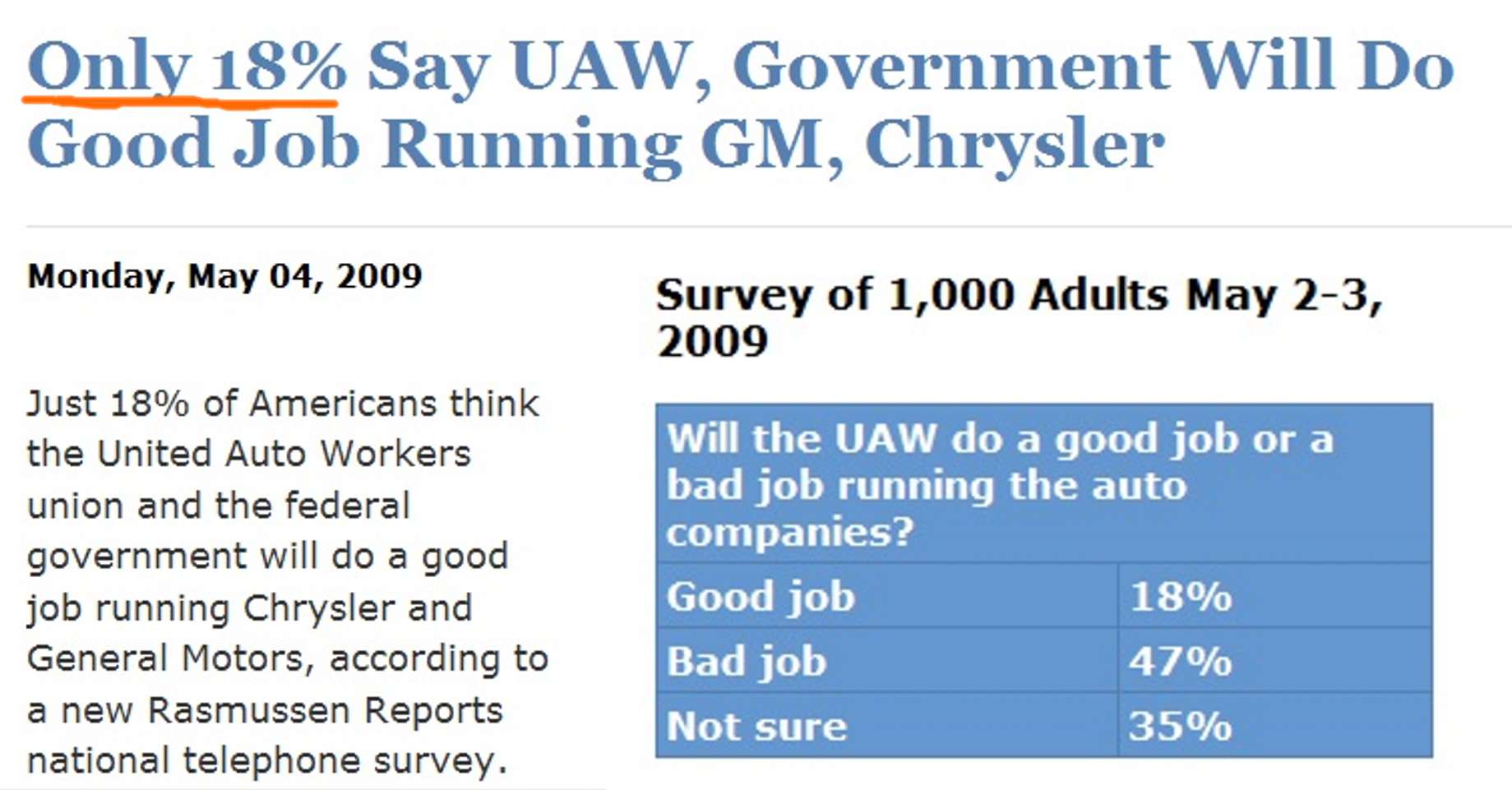 The United Auto Workers and their partners at Government Motors have a message to workers who dare to join another union — shut their factory down.
Workers at an auto plant in Ohio are now out of work because they were not members of the UAW, the Wall Street Journal reports. “We did everything we could to keep that plant open and keep our jobs,” said Mitchell Wood, a 44-year-old father of two who used to attach tailgates onto sport-utility vehicles at Moraine. “But in the end, we didn’t have a chance, not being in the UAW.”
The Journal notes, “The plight of Moraine workers highlights the extraordinary role played by the UAW during the near-collapses and bankruptcy reorganizations of GM and Chrysler Group LLC. That role remains a political flash point today. Democrats have cast President Barack Obama and the UAW as saviors of America’s auto industry. Republicans call the help a taxpayer-funded giveaway to the president’s union allies. What is clear is that the United Auto Workers—though weakened by decades of attrition and the rise of a nonunion auto workforce—was still powerful enough to play a big role in picking winners and losers and in shaping the industry that emerged from that critical period.”
This is another example that Big Labor doesn’t care about workers — they care about power fueled by worker’s dues money.

In addition to helping make the necessities and amenities of life more affordable, Right to Work laws help keep individual and family aggregate state-local tax burdens from spiraling out of control.
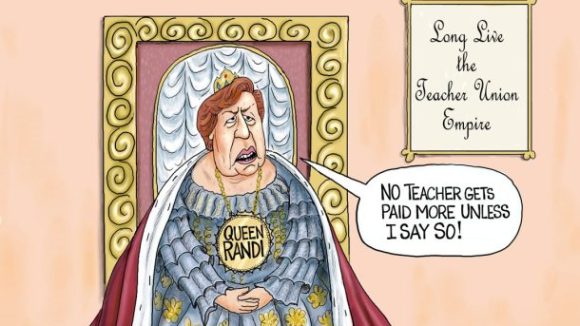
In response to a staffing crisis, the elected Lee County School Board (LCSB) approved an incentive plan to attract and retain teachers for high-need schools and hard-to-fill subject areas.
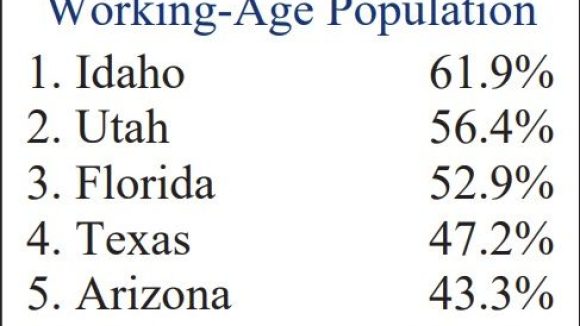
Recently updated federal data on the American workforce and employment show that employer demand for college-educated employees rose at a surprisingly rapid clip from 2014 to 2024.