Union-Only Port Terminal Suspends Operations
Committee President Mark Mix: “If I were a Leatherman dockworker, I certainly wouldn’t count on Longshore Union bosses to show any flexibility” to get the terminal reopened and “save my job.”
Fred Barnes at the Weekly Standard takes an in-depth look at America’s “other” auto industry located outside of Big Labor’s fiefdom:
Unlike the timid auto executives, politicians in the right-to-work states are quite candid in crediting the enormous appeal of their non-union status. “If you don’t have right-to-work laws, you end up like those guys [the Big 3] are today” in Detroit, [Sen.] Corker says. “Right to work,” says another top state official, “is a huge issue.”
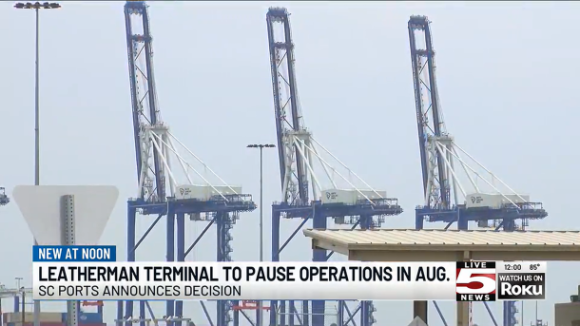
Committee President Mark Mix: “If I were a Leatherman dockworker, I certainly wouldn’t count on Longshore Union bosses to show any flexibility” to get the terminal reopened and “save my job.”
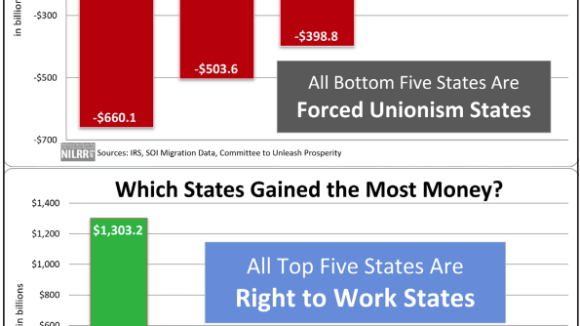
... States that continuously lacked Right to Work protections for employees from 2012-23 lost a net total of $2.05 trillion in cumulative AGI solely as a consequence of domestic out-migration of taxpayers during that 11-year period.
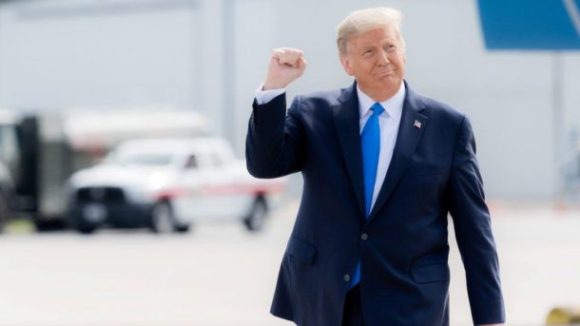
One of the key goals of the U.S. Department of Labor since President Donald Trump’s second term commenced in January 2025 has been to expand the number of apprenticeships in America to “at least a million.”