Union-Only Port Terminal Suspends Operations
Committee President Mark Mix: “If I were a Leatherman dockworker, I certainly wouldn’t count on Longshore Union bosses to show any flexibility” to get the terminal reopened and “save my job.”
It’s a common refrain — As California goes, so goes the nation. Unfortunately, in the case of cities like Stockton, it may be true.
Stockton is the California city that has declared bankruptcy because of over-spending and over-generous benefits to their allies in the labor movement. The New York Post views Stockton as a valuable lesson in the consequences of “the consequences of free rides for labor” for cities like New York:
New York should send a huge thank-you card to Stockton, Calif.: In becoming the largest US locale to file for bankruptcy, the West Coast city last week provided a valuable lesson on the consequences of free rides for labor.
The folks who should pay the most attention: New York’s unions.
Now, all of Stockton will suffer — and the filing won’t even cure the city’s problems. But among the biggest losers, ironically, will be those to whom the grand promises were made in the first place — union members.
And yet, when Gov. Cuomo this year proposed modest pension tweaks — meant only for employees not yet hired — the unions went ballistic.
New York labor bosses may think they’re doing members a service by standing firm against even minor reforms.
But if they drive towns and counties to bankruptcy, it may be their own members who suffer most.
By illustrating — painfully — how that works, Stockton may have just done New York a big favor.
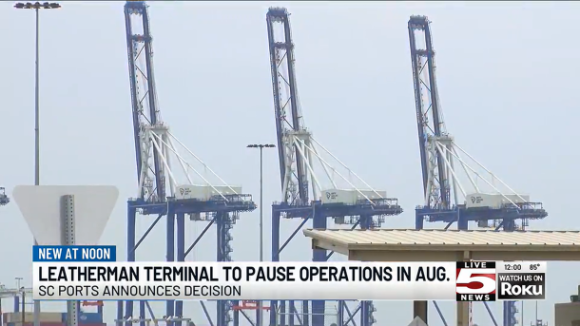
Committee President Mark Mix: “If I were a Leatherman dockworker, I certainly wouldn’t count on Longshore Union bosses to show any flexibility” to get the terminal reopened and “save my job.”

According to AFSCME Local 1632 President Will Harmon, Columbus Water & Power committed a grievous offense by subcontracting out the job of clearing away invasive weeds and brush spread out across two acres of its property to a tribe of roughly 40 goats without first “negotiating” with Big Labor.

On June 5, a federal jury in Kansas convicted former Boilermakers President Newton Jones, who had headed the union from 2003 until 2023, his wife, Kateryna, and two other IBB bosses of embezzling millions of dollars in union dues extracted from workers as a condition of employment.