Union Special Privileges vs. Affordability
In addition to helping make the necessities and amenities of life more affordable, Right to Work laws help keep individual and family aggregate state-local tax burdens from spiraling out of control.
 Despite lack of interest from Republican Governor Rick Snyder, Michigan Republicans are moving forward in an effort to save Michigan and break the economic stranglehold big labor has on the economy. “The climate is right and the chemistry in Lansing is right,” said Rep. Mike Shirkey, R-Clark Lake, who is working on bills he believes will have strong support in the House. “The sentiments in the public are also very supportive.”
The Detroit News says “If it’s approved, Michigan would become the 23rd state in the nation to make it illegal to require workers to join or financially support a union as a condition of employment. But the change — not expected to happen without a fierce and costly fight — would also mark a stunning first based on Michigan’s history as an organized labor stronghold and the birthplace of the powerful United Auto Workers.”
 Michigan has been suffering a slow and painful death for two decades. The cost of doing business in the state is too high — thanks for politicians and their big labor allies who literally drove business out of the state and their main employers into bankruptcy. Restoring balance to the economy — by giving workers the right to not join a union — will level the playing field and help create jobs once again.
Gov. Snyder needs to gets off the fence and lead the charge to save his state.
In addition to helping make the necessities and amenities of life more affordable, Right to Work laws help keep individual and family aggregate state-local tax burdens from spiraling out of control.
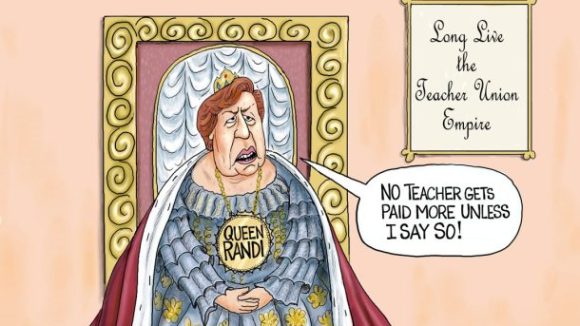
In response to a staffing crisis, the elected Lee County School Board (LCSB) approved an incentive plan to attract and retain teachers for high-need schools and hard-to-fill subject areas.

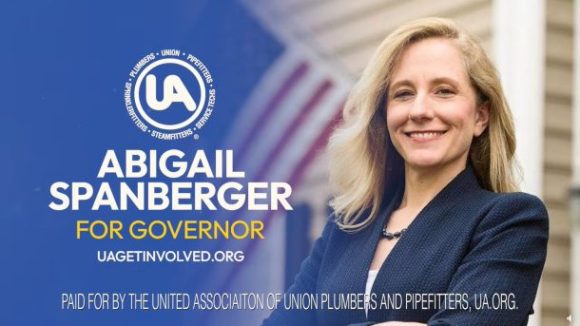
In the wake of Big Labor’s capture of the governorship and tightening of its grip over the Virginia General Assembly in last fall’s elections, union strategists are eager for passage of a law mandating union monopoly bargaining over the compensation and work rules of state and local civil servants.