Union Special Privileges vs. Affordability
In addition to helping make the necessities and amenities of life more affordable, Right to Work laws help keep individual and family aggregate state-local tax burdens from spiraling out of control.
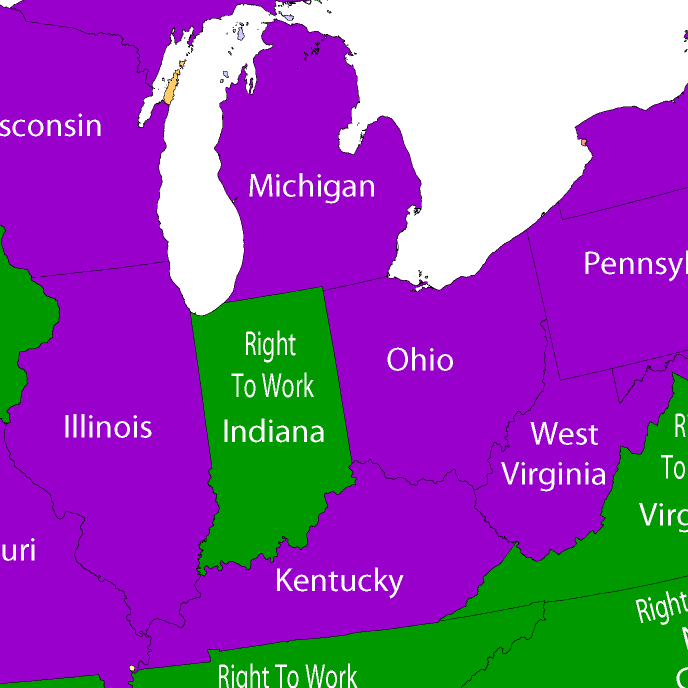 A hypothetical average Ohio family of four would be making $12,000 more a year today if Ohio had adopted a right-to-work law in 1977, concludes a report released by the Buckeye Institute. The Buckeye Institute’s study by Ohio University economics professor Richard Vedder says, “Arguably the single biggest impediment to an improved labor environment is the lack of a right-to-work law which guarantees workers the freedom to join, or not join, labor unions as they so choose.”
Here are some startling statistics from the report:

In addition to helping make the necessities and amenities of life more affordable, Right to Work laws help keep individual and family aggregate state-local tax burdens from spiraling out of control.

In response to a staffing crisis, the elected Lee County School Board (LCSB) approved an incentive plan to attract and retain teachers for high-need schools and hard-to-fill subject areas.

In the wake of Big Labor’s capture of the governorship and tightening of its grip over the Virginia General Assembly in last fall’s elections, union strategists are eager for passage of a law mandating union monopoly bargaining over the compensation and work rules of state and local civil servants.