A ‘Duty to Bargain’ Over Employees’ Freedom?!
"Vullo makes it clear that using the threat of federal prosecution to force any employer to put employees’ Right to Work on the bargaining table violates the First Amendment.”

Starbucks employees in Oklahoma City and Salt Lake City filed requests with the National Labor Relations Board (NLRB), asking the agency to proceed with holding an election at their respective stores to remove Starbucks Workers United (SBWU) union officials from the workplace. Both employees, Amy Smith (OK) and Indya Fiessinger (UT), are receiving free legal representation from National Right to Work Legal Defense Foundation staff attorneys. […]
“These workers have waited over a year to finally have their decertification vote to decide whether or not they want the union in their workplace, and with the blocking charge now fully resolved, the NLRB should promptly schedule these elections,” commented Mark Mix, President of the National Right to Work Foundation. “Majority support is supposed to be fundamental to federal labor law, otherwise the NLRB is just protecting incumbent union bosses to the detriment of actual rank-and-file workers’ wishes. It is past time for these votes to be allowed to take place.”
NATIONAL RIGHT TO WORK LEGAL DEFENSE FOUNDATION
All contents from this article were originally published on the National Right to Work Legal Defense Foundation Website.
If you have questions about whether union officials are violating your rights, contact the Foundation for free help. To take action by supporting The National Right to Work Committee and fueling the fight against Forced Unionism, click here to donate now.
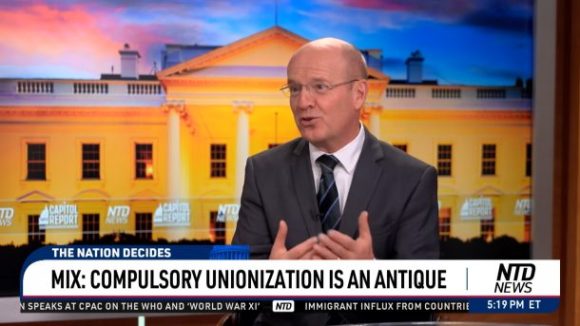
"Vullo makes it clear that using the threat of federal prosecution to force any employer to put employees’ Right to Work on the bargaining table violates the First Amendment.”
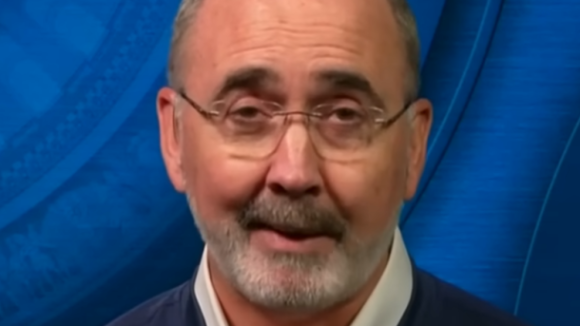
Threatening workers with illegal termination is perfectly normal as far as UAW President Shawn Fain is concerned.
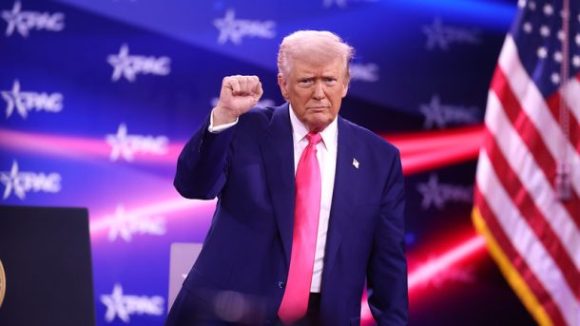
Key appointees of Donald Trump have sent clear signals this year that the President continues to understand that standing up for Americans’ Right to Work is good policy and smart politics.