Union Special Privileges vs. Affordability
In addition to helping make the necessities and amenities of life more affordable, Right to Work laws help keep individual and family aggregate state-local tax burdens from spiraling out of control.
There’s no doubt that Right to Work states thrive economically, far better than Forced-Unionism states. And when it comes to bouncing back from the economic turmoil that the pandemic created, Right to Work states such as North Carolina are right there, showing up for those that may have been hit the hardest. North Carolina has recently received and approved 10 grants totaling over $2 million. This will go toward economic development in rural areas of North Carolina.
The Center Square did an article covering this exciting news and sharing commentary from North Carolina Gov. Roy Cooper:
The North Carolina Rural Infrastructure Authority (RIA) will award the grants for a number of projects that counties and cities would use to attract more than $30.8 million in private investment and create a total of 349 jobs, Gov. Roy Cooper said.
“In order for North Carolina’s economy to continue growing, we must prioritize and support our rural communities,” Cooper said. “We know these communities need new jobs and more investments, and that’s exactly what our grants accomplish.”
NC Gov. Roy Cooper, as quoted in The Center Square
You can read the full article here.
To access more Right to Work news, click here.
In addition to helping make the necessities and amenities of life more affordable, Right to Work laws help keep individual and family aggregate state-local tax burdens from spiraling out of control.
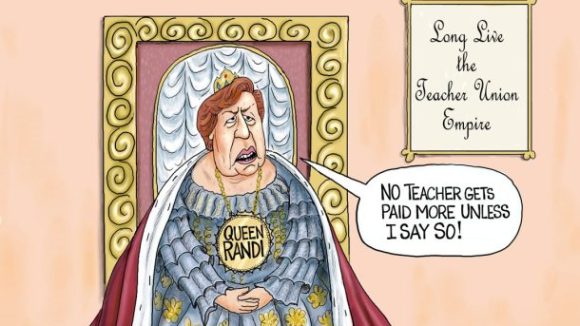
In response to a staffing crisis, the elected Lee County School Board (LCSB) approved an incentive plan to attract and retain teachers for high-need schools and hard-to-fill subject areas.

In the wake of Big Labor’s capture of the governorship and tightening of its grip over the Virginia General Assembly in last fall’s elections, union strategists are eager for passage of a law mandating union monopoly bargaining over the compensation and work rules of state and local civil servants.