Union-Only Port Terminal Suspends Operations
Committee President Mark Mix: “If I were a Leatherman dockworker, I certainly wouldn’t count on Longshore Union bosses to show any flexibility” to get the terminal reopened and “save my job.”
According to the Illinois Review, “Many attribute Romney’s poor performance to flyers Right to Work supporters passed out at the straw poll highlighting Romney’s failure to support a National Right to Work Act.”
The Review continued:
National Right to Work Committee President Mark Mix stated the following upon hearing the results:
“Mitt Romney’s lackluster performance in the Ames Straw Poll shows the importance of the Right to Work issue. With America’s economy struggling to survive, the American people want to be free from the damages of forced unionism. Americans know that a Right to Work Law would help restore the economy, and they want a president that will fight for Right to Work.”
Throughout his political career Romney has continuously refused to publicly pledge support for the National Right to Work Act. In fact, he has done everything in his power to avoid the question altogether. The most recent incident was in Concord, New Hampshire earlier this week. Once again, while discussing the Right to Work issue, Romney refused to state whether he would sign a National Right to Work Bill.
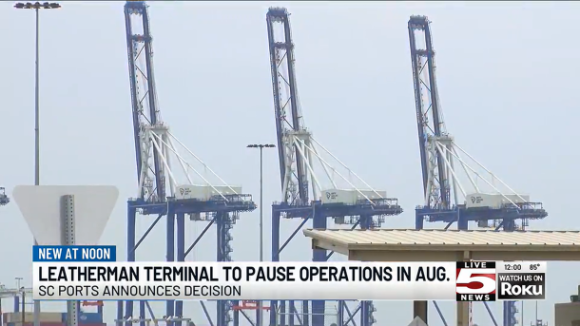
Committee President Mark Mix: “If I were a Leatherman dockworker, I certainly wouldn’t count on Longshore Union bosses to show any flexibility” to get the terminal reopened and “save my job.”
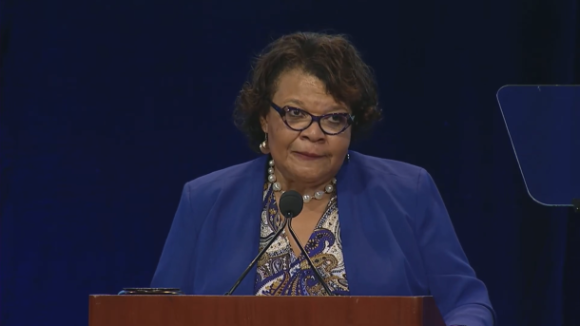
Incoming NEA President Princess Moss: Teachers Must Be Full-Time Political Activists
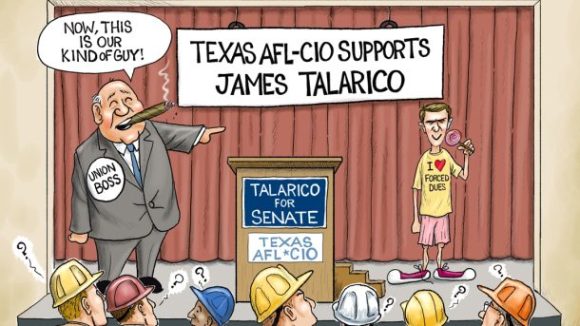
Union bosses are rallying behind Democrat Texas U.S. Senate candidate James Talarico because he opposes Right to Work protections for employees.