A ‘Duty to Bargain’ Over Employees’ Freedom?!
"Vullo makes it clear that using the threat of federal prosecution to force any employer to put employees’ Right to Work on the bargaining table violates the First Amendment.”

New York Starbucks employees Ariana Cortes and Logan Karam have filed the final brief with the D.C. Circuit Court of Appeals in their landmark lawsuit asserting that the structure of the National Labor Relations Board (NLRB) violates the U.S. Constitution.
The case, which is being litigated by National Right to Work Foundation staff attorneys, is especially notable after the Trump Administration asserted the very same legal arguments in its efforts to reform the NLRB. President Trump on January 28 fired NLRB Board Member Gwynne Wilcox, criticizing the same removal protections that Cortes and Karam’s first-in-the-nation lawsuit targeted for violating the Constitution. […]
“This case demonstrates the direct harm caused to workers rights by unaccountable and biased NLRB bureaucrats that have stifled attempts to remove unwanted union representation,” commented National Right to Work Foundation President Mark Mix. “NLRB officials may not like it, but federal labor law is not exempt from the requirements of the highest law in the land, the Constitution.”
All contents from this article were originally published on the National Right to Work Legal Defense Foundation Website.
If you have questions about whether union officials are violating your rights, contact the Foundation for free help. To take action by supporting The National Right to Work Committee and fueling the fight against Forced Unionism, click here to donate now.
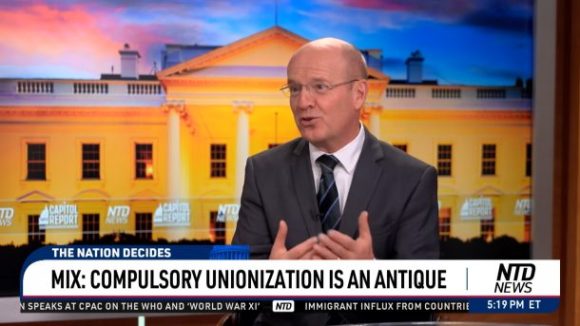
"Vullo makes it clear that using the threat of federal prosecution to force any employer to put employees’ Right to Work on the bargaining table violates the First Amendment.”
“Since Janus, the actively employed membership of the nation’s largest teacher union, the [NEA], has fallen substantially."

After a fierce legislative battle, a bill to protect Idaho educators’ freedom of association has been signed by GOP Gov. Brad Little. The Committee is committed to similarly protecting more and more civil servants nationwide.