Union Bosses Going All Out to Capture Congress
During the months leading up to Election Day 2026, Big Labor bosses’ focus on politics has never been more explicit.

New York Starbucks employees Ariana Cortes and Logan Karam have filed the final brief with the D.C. Circuit Court of Appeals in their landmark lawsuit asserting that the structure of the National Labor Relations Board (NLRB) violates the U.S. Constitution.
The case, which is being litigated by National Right to Work Foundation staff attorneys, is especially notable after the Trump Administration asserted the very same legal arguments in its efforts to reform the NLRB. President Trump on January 28 fired NLRB Board Member Gwynne Wilcox, criticizing the same removal protections that Cortes and Karam’s first-in-the-nation lawsuit targeted for violating the Constitution. […]
“This case demonstrates the direct harm caused to workers rights by unaccountable and biased NLRB bureaucrats that have stifled attempts to remove unwanted union representation,” commented National Right to Work Foundation President Mark Mix. “NLRB officials may not like it, but federal labor law is not exempt from the requirements of the highest law in the land, the Constitution.”
All contents from this article were originally published on the National Right to Work Legal Defense Foundation Website.
If you have questions about whether union officials are violating your rights, contact the Foundation for free help. To take action by supporting The National Right to Work Committee and fueling the fight against Forced Unionism, click here to donate now.
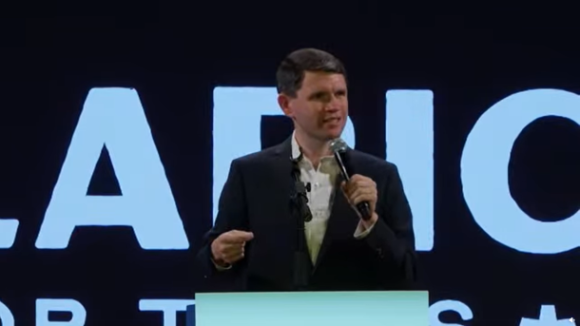
During the months leading up to Election Day 2026, Big Labor bosses’ focus on politics has never been more explicit.
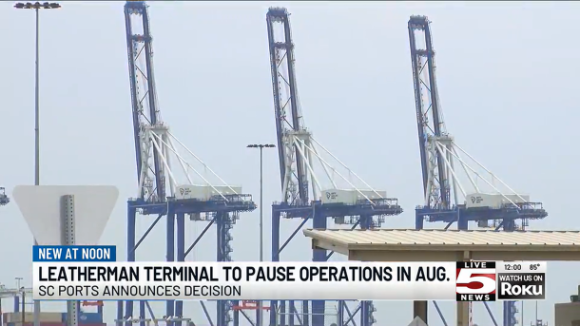
Committee President Mark Mix: “If I were a Leatherman dockworker, I certainly wouldn’t count on Longshore Union bosses to show any flexibility” to get the terminal reopened and “save my job.”
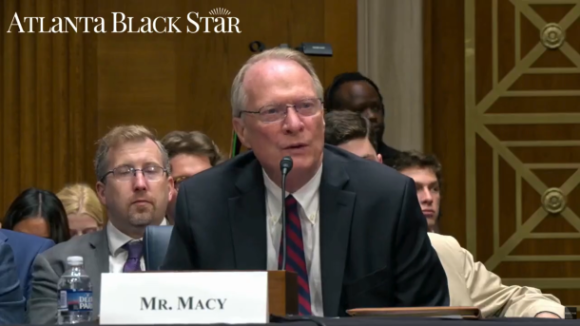
In many cases, employees who are denied the opportunity to vote out a union as a consequence of the Biden green light for Big Labor blocking charges never got a chance to vote on whether or not they wanted to have a union in the first place.