Union Special Privileges vs. Affordability
In addition to helping make the necessities and amenities of life more affordable, Right to Work laws help keep individual and family aggregate state-local tax burdens from spiraling out of control.
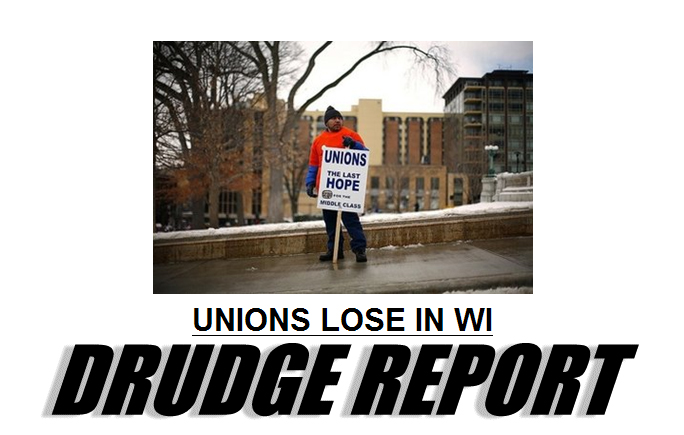
The Wisconsin Democrat Senators known as the “fleebaggers” were unable to stop freedom for Wisconsin public employees and taxpayers. Most public employees are one step closer to no longer being forced to join or pay fees to a union against their will, they may soon be able to choose to join or not join a union. (Police Officers and Fire Fighters will still be forced to pay union fees against their will.) And, taxpayers should soon see a relief due to the elimination of inflexible work rules and a weakening of the special access given to public union bosses if the bill is signed into law.
The Wisconsin State Assembly is scheduled to consider the bill on Thursday morning, then it goes to Gov. Walker for his signature.
Associate Press:
The Wisconsin Senate voted Wednesday night to strip nearly all collective bargaining rights from public workers, approving an explosive proposal that had rocked the state and unions nationwide after Republicans discovered a way to bypass the chamber’s missing Democrats.
All 14 Senate Democrats fled to Illinois nearly three weeks ago, preventing the chamber from having enough members present to consider Gov. Scott Walker’s “budget-repair bill” – a proposal introduced to plug a $137 million budget shortfall.
The unexpected yet surprisingly simple procedural move ended a stalemate that had threatened to drag on indefinitely. Until Wednesday’s stunning vote, it appeared the standoff would persist until Democrats returned to Madison from their self-imposed exile.


In addition to helping make the necessities and amenities of life more affordable, Right to Work laws help keep individual and family aggregate state-local tax burdens from spiraling out of control.

In response to a staffing crisis, the elected Lee County School Board (LCSB) approved an incentive plan to attract and retain teachers for high-need schools and hard-to-fill subject areas.
Recently updated federal data on the American workforce and employment show that employer demand for college-educated employees rose at a surprisingly rapid clip from 2014 to 2024.